


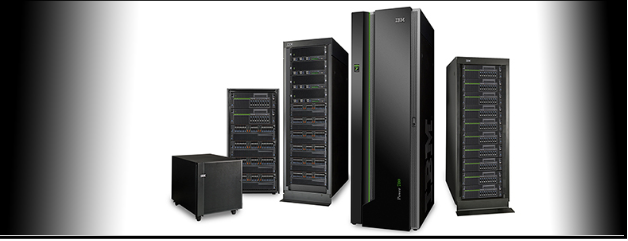
Businesses today generate, process, and store more data than ever before. Cloud services, virtualization, AI-driven applications, and daily operations all depend on strong backend infrastructure.
As storage demands increase, companies require servers that deliver performance, flexibility, and long-term value. Both new and refurbished servers are essential tools for supporting cloud environments and ensuring smooth operation.
Many organizations combine new and refurbished systems to maximize capability while managing costs. This blended approach gives them the processing power, scalability, and reliability they need without unnecessary financial strain. With modern cloud strategies expanding rapidly, these servers play a central role in meeting the growing demand for storage and compute workloads.
1. Why Cloud and Storage Needs Are Expanding So Quickly
More businesses are shifting from traditional on-prem storage to cloud and hybrid solutions. This shift is driven by increased data production, remote work, security requirements, and application growth.
Cloud systems rely on robust server hardware, whether hosted internally or in a data centre. Both new and refurbished servers deliver the performance and resilience required for cloud workloads. As data grows, so does the need for hardware that can store, process, and deliver information efficiently.
2. How Refurbished Servers Deliver Reliable Cloud Performance
Refurbished servers are often enterprise-grade systems that have been restored, tested, and certified. They offer exceptional stability and processing strength, making them suitable for cloud virtualization, storage arrays, and workload balancing.
Companies often explore refurbished and used server options because these systems deliver dependable performance without the high cost of brand-new hardware. Since most enterprise servers are built for durability, refurbished units continue performing well in demanding cloud environments.
3. How New Servers Strengthen Cloud Infrastructure
New servers provide access to the latest technology, faster processors, advanced memory architecture, improved power efficiency, and higher storage capacities.
These upgrades make them ideal for workloads that demand maximum performance, such as AI computing, high-density virtualization, and large distributed cloud systems.
Organizations building new cloud infrastructure from the ground up often rely on new servers to ensure future-ready capabilities.
4. Scalability From Both New and Refurbished Systems
Modern cloud environments thrive on scalability. Both new and refurbished servers support expansions such as:
- Adding more storage drives
- Increasing RAM
- Using GPU upgrades
- Expanding network bandwidth
Startups experiencing rapid growth or enterprises managing high-volume cloud traffic benefit from this flexibility. Scalability allows companies to upgrade hardware at their own pace, preventing disruption while meeting rising storage and compute needs.
5. Cost Efficiency That Supports Cloud Growth
New servers deliver top-tier performance, but their cost can be challenging for smaller teams or expanding businesses. Refurbished servers bridge this gap, offering enterprise-grade capabilities at a fraction of the cost.
This cost efficiency enables organizations to:
- Build larger cloud clusters
- Deploy additional storage nodes
- Maintain redundant systems
- Improve disaster recovery
Saving on hardware costs means more budget can be allocated toward software, cloud tools, and security enhancements.

6. Environmental Benefits Through Extended Hardware Use
Using refurbished servers helps reduce e-waste and supports sustainability goals. Instead of being discarded, high-quality enterprise servers continue to deliver value for years.
Many organizations prefer this eco-friendly choice, especially those following green IT initiatives. Combining new and refurbished hardware offers both performance and environmental responsibility.
7. Strong Support for Virtualization and Cloud Workloads
Virtualization sits at the core of cloud technology. Both new and refurbished servers can efficiently run virtual machines, distributed applications, and multi-layered storage environments.
Refurbished systems often match new servers in their ability to handle:
- VM clustering
- Container workloads
- Database hosting
- Cloud storage pools
The combination of new and refurbished units helps companies optimize workloads while keeping infrastructure adaptable and balanced.
8. Easy Access to Spare Parts and Quick Maintenance
Maintaining cloud environments requires reliable access to replacement components. Refurbished systems excel in this area because spare parts are widely available and affordable.
Businesses often rely on used server parts to upgrade or repair systems quickly without extended downtime. This keeps cloud workloads running smoothly and reduces operational delays.
9. Improved Backup and Disaster Recovery Strategies
Cloud storage demands strong backup plans and disaster recovery systems. Refurbished servers offer an affordable way to build secondary or redundant environments. New servers, meanwhile, can be used for mission-critical workloads.
This combination strengthens resilience and ensures that data remains safe even during unexpected outages.
10. Ideal for Development, Testing, and Cloud Sandboxes
Not all environments require brand-new hardware. Refurbished servers are perfect for testing cloud tools, running virtual sandboxes, or supporting development teams. They provide a cost-effective way to experiment without risking production systems.
This approach allows IT teams to innovate and trial new solutions efficiently. New servers can remain focused on production workloads, while refurbished systems handle the heavy testing without affecting performance.
Why Both New and Refurbished Servers Matter in Modern Cloud Strategy
New and refurbished servers offer unique advantages, and together they create a powerful foundation for cloud storage and computing. New servers bring cutting-edge performance, while refurbished systems deliver value, reliability, and scalability.
For companies planning infrastructure upgrades or expanding cloud capabilities, professional guidance can be extremely helpful. Many organizations turn to Cloud Ninjas for expert insights when choosing the right mix of new and refurbished hardware that aligns with long-term goals.
