


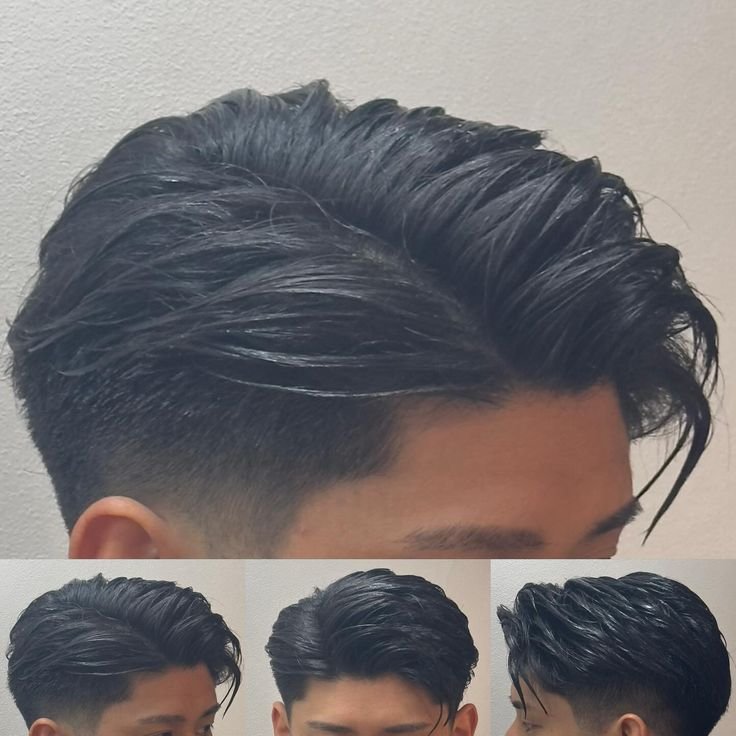
Finding the perfect mens hairstyles can feel overwhelming because today’s options are wider and more diverse than ever. From classic cuts to modern trends, every style communicates something different about personality, lifestyle, and personal grooming habits. The right hairstyle not only complements your appearance but also boosts confidence and elevates your everyday look.
History and “Biography” of Mens Hairstyles
The history of mens hairstyles is rich and varied, shaped by culture, social status, and trends across centuries. In ancient civilizations, men often wore long hair as a symbol of strength or royalty, while warriors preferred shaved or braided styles for practicality. As time moved forward, the Renaissance celebrated neatly groomed hair, often styled with oils and combs. The 1920s introduced sleek, polished looks with side parts, while the rebellious 1950s made pompadours and greaser styles iconic.
The 1970s saw a rise in longer, natural hair inspired by rock culture, while the 1990s embraced short fades and buzz cuts. Today, men combine classic looks with modern twists, creating hairstyles that blend tradition, personal preference, and evolving grooming techniques. This “biography” of hairstyles shows how much self-expression plays a role in male grooming.
Age and Evolution of Modern Hair Trends
Modern mens hairstyles have evolved dramatically over the last few decades. Many contemporary styles are reinterpretations of older trends, updated with sharper techniques, advanced tools, and new styling products. For example, the fade haircut—once limited to military grooming—has transformed into a fashionable staple with endless variations like mid fade, skin fade, and taper fade.
The undercut, popular in the early 1900s, returned with a modern twist thanks to barbershop culture and pop-culture influence. Even long hairstyles for men have resurfaced, inspired by the laid-back, effortless aesthetic seen in music and film. This evolution highlights how hairstyles adapt with each generation while maintaining the appeal of timeless grooming principles.
Also Read This:- Zendaya Engagement Ring: What We Know and Her Timeless Jewelry Taste
Physical Appearance and Characteristics of Popular Mens Hairstyles
The physical appearance of mens hairstyles varies greatly depending on length, texture, and structure. Short hairstyles like fades, crew cuts, and buzz cuts offer clean lines and low maintenance. Medium-length cuts such as quiffs, pompadours, and textured crops provide volume and styling versatility. Long hairstyles, from shoulder-length waves to man buns, bring a relaxed yet fashionable feel.
Key style characteristics include sharp fades, blended textures, defined parts, messy finishes, and sleek silhouettes. Men with thicker hair may enjoy fuller styles, while fine hair often benefits from layered cuts that add body. Each hairstyle’s appearance reflects personal style—from polished professionals to trend-driven creatives.
Hair Type and Texture Influence
One of the most important factors in choosing the right mens hairstyles is understanding hair type. Straight hair works well with structured styles like slick backs or side parts because it naturally lies flat. Wavy hair offers flexibility, easily shaped into textured cuts or loose layers. Curly hair provides volume and movement, making it ideal for medium-length styles or tight fades that highlight natural curls. Coily hair shines in tapered cuts, twists, and short natural blends.
Hair thickness also plays a major role. Thick hair supports dramatic shapes, while fine hair benefits from lighter, airy cuts that enhance texture. When selecting a hairstyle, matching it to your natural texture ensures a look that feels both stylish and effortless.
Face Shape and Style Relations
Face shape greatly affects how mens hairstyles complement overall appearance. For oval faces, nearly all hairstyles work because the proportions are balanced. Square faces pair well with styles that soften strong jawlines, such as side-swept cuts or textured layers. Round faces benefit from height and definition—like pompadours, quiffs, or faded sides—to add structure.
Heart-shaped faces look great with medium-length styles that add width around the jawline, while diamond faces suit messy, layered looks that soften cheekbones. Understanding how hairstyles “relate” to facial proportions helps you choose a flattering and well-balanced cut.
Classic vs. Contemporary Mens Hairstyles
Timeless mens hairstyles such as the side part, crew cut, and taper remain staples because of their clean appearance and universal appeal. These classic styles require minimal upkeep and suit most occasions—from formal events to casual outings. Contemporary styles, however, often experiment with bold lines, heavy texture, and creative shaping.
Trendy cuts like the modern mullet, textured fringe, disconnected undercut, or faded designs reflect individuality and creativity. Both classic and contemporary hairstyles serve different purposes: classic cuts offer reliability and professionalism, while modern trends allow for fresh self-expression.
Grooming Techniques and Maintenance Needs
Good grooming is essential for maintaining mens hairstyles, regardless of length or style. Short cuts require regular trimming every 2–4 weeks to maintain sharp edges. Medium-length styles often need blow-drying, brushing, and shaping to achieve volume or texture. Longer hair demands consistent washing, conditioning, and trimming to avoid split ends.
Techniques such as fading, blending, layering, and texturizing help create professional results. Using the right tools—clippers, scissors, combs, and styling brushes—makes grooming easier and more effective. Men who invest time in proper maintenance enjoy healthier hair and longer-lasting styles.
Barbershop and Stylist Influence
Barbers and stylists play a major role in shaping today’s mens hairstyles. Skilled professionals understand face shapes, hair textures, and modern techniques, allowing them to craft personalized cuts that suit each client. Barbershop culture has experienced a resurgence, bringing back traditional grooming methods such as razor detailing and precision fading.
Stylists also help men explore new trends and provide advice on products and upkeep. Their expertise ensures that men leave not only with a great haircut but also with guidance to maintain it at home. This professional influence strengthens the relationship between technique and personal style.
Celebrity Influence and Cultural Impact
Celebrities have always influenced mens hairstyles, inspiring trends that spread across social media and pop culture. Actors often make classic cuts like the buzz cut or textured crop popular again. Musicians inspire longer, more relaxed looks, while athletes commonly popularize fades, line-ups, and sharp beard-hair combinations.
Cultural influence also plays a large role, with different regions showcasing unique grooming traditions. These celebrity and cultural inspirations help shape global hairstyle preferences, making certain cuts universally recognizable.
Styling Products and Tools
The success of most mens hairstyles depends on the right styling products. Pomade gives shine and control for polished looks, while wax offers medium hold with a natural finish. Clay provides strong hold with matte texture, ideal for messy or voluminous styles. Gel adds firmness and definition, perfect for sleek or wet looks. Creams soften curls and maintain flexibility.
Tools such as blow dryers, round brushes, combs, and diffusers help shape the style and maintain its structure throughout the day. Using the right combination of product and technique transforms a simple haircut into a refined, stylish appearance.
Also Read This:- Fashion Ideas for Business Casual Men: From Desk to Dinner
Choosing the Right Mens Hairstyle for Your Lifestyle
When choosing mens hairstyles, lifestyle should always guide your decision. Busy professionals may prefer short, low-maintenance styles that require little effort each morning. Creative individuals might enjoy expressive hairstyles with texture and movement. Athletes often choose practical cuts that stay clean during activity, while trend-seekers may lean toward bold, fashion-forward looks.
Your work environment, daily routine, clothing style, and grooming habits all influence which hairstyle suits you best. Choosing a cut that matches your lifestyle ensures comfort, confidence, and long-term satisfaction.
Conclusion
The world of mens hairstyles is constantly evolving, offering endless ways to express personal style while complementing natural features. From classic cuts to modern trends, the right hairstyle can dramatically enhance appearance and confidence. By understanding hair type, face shape, grooming needs, and lifestyle, anyone can choose a cut that truly fits their identity. Mens hairstyles will continue to grow, adapt, and inspire, reflecting the dynamic nature of modern grooming.
FAQs
What is the easiest men’s hairstyle to maintain?
Short cuts like crew cuts, buzz cuts, and taper fades require the least daily maintenance.
Which hairstyles suit curly hair best?
Medium-length textured cuts, tapered sides, and natural curls work exceptionally well.
How often should men get a haircut?
Most styles need trimming every 3–5 weeks, depending on length and shape.
What products are best for thick hair?
Clays and waxes offer strong hold and help manage volume.
What hairstyle works best for round faces?
Styles with height—such as quiffs, pompadours, and textured tops—add structure and balance.
For More Latest Update doodlesmagazine
