


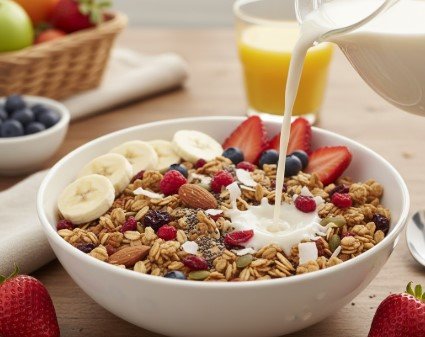
What Is Healthy Cereal?
Not all cereals are created equal. A healthy cereal is typically made with whole grains, low added sugar, and rich dietary fiber. Unlike heavily processed breakfast cereals that are often loaded with artificial sweeteners and empty calories, a nutritious option prioritizes real, natural ingredients that support well-being.
Good examples include oat-based cereals, bran flakes, quinoa puffs, and muesli blends with nuts, seeds, and dried fruits. They not only fill you up but also contribute to gut health, blood sugar stability, and long-lasting energy throughout the day.
Why Breakfast Matters for Overall Health
Breakfast is often called the most important meal of the day—and for good reason. It jumpstarts your metabolism after the overnight fast, restores glucose levels, and helps maintain better concentration, productivity, and mood.
Skipping breakfast can lead to energy crashes, overeating later in the day, and even poor blood sugar control. Incorporating a health breakfast with healthy cereal ensures that you’re giving your body the fuel it needs to perform its best, whether you’re heading to work, school, or the gym.
Nutritional Benefits of Healthy Cereal
A bowl of well-chosen cereal offers a wide range of health benefits:
- High Fiber Content: Supports digestion, prevents constipation, and may help reduce cholesterol.
- Essential Vitamins & Minerals: Many healthy cereals contain B vitamins, iron, magnesium, and zinc which are critical for energy production and immune function.
- Low Glycemic Index: Helps stabilize blood sugar and prevents energy spikes and crashes.
- Weight Management: Keeps you feeling full longer, reducing the likelihood of snacking on unhealthy options later in the day.
- Heart and Gut Health: Thanks to whole grains and prebiotic fibers, many cereals support cardiovascular health and a thriving microbiome.
Also Read This:- Strong Core, Flat Silhouette: Why More People Are Choosing Tummy Tuck in Dubai
How to Identify a Truly Healthy Cereal
Don’t be fooled by flashy packaging or vague claims like “natural” or “multigrain.” A real healthy cereal has a clean ingredients list and transparent nutritional info. Here’s what to look for:
- Whole Grains as the First Ingredient
- Less than 6–8g of Sugar per Serving
- At Least 3–5g of Fiber
- Minimal or No Artificial Additives
- Added Protein from Nuts, Seeds, or Legumes
Always check the serving size and calculate whether the sugar and calorie count align with your health goals.
Top Ingredients to Look For
The best healthy cereal options are those rich in whole, plant-based foods that deliver both taste and nutrition. Look out for:
- Whole Oats: Great for cholesterol control and heart health.
- Bran: Excellent source of insoluble fiber.
- Flaxseeds & Chia Seeds: Provide omega-3 fatty acids and help improve digestion.
- Quinoa: A complete plant protein, gluten-free, and full of minerals.
- Dried Fruits: Raisins, dates, or apricots for natural sweetness.
- Nuts & Seeds: Almonds, sunflower seeds, and walnuts add crunch and healthy fats.
- Natural Sweeteners: Honey, date syrup, or maple syrup in moderation.
Best Times to Eat Healthy Cereal
While breakfast is the traditional time to enjoy cereal, it’s also a versatile snack option throughout the day:
- Morning Boost: Eat within 1 hour of waking for metabolic benefits.
- Post-Workout Refuel: Combine with protein-rich milk or yogurt for muscle recovery.
- Midday Snack: A small bowl or granola bar made from cereal keeps hunger at bay.
Healthy Cereal vs. Sugary Breakfast Cereals
Let’s compare a standard sugary cereal with a whole grain healthy cereal:
| Feature | Sugary Cereal | Healthy Cereal |
|---|---|---|
| Sugar per serving | 12–18g | 2–6g |
| Fiber | <2g | 4–7g |
| Protein | 1–2g | 5–10g |
| Ingredients | Refined grains, dyes | Whole grains, seeds |
| Satiety | Low | High |
| Health Impact | Energy crashes | Sustained energy, digestion support |
Clearly, choosing the healthier cereal option helps prevent sugar crashes and supports better overall wellness.
Easy Ways to Make Healthy Cereal More Delicious
Worried that a healthy option might taste bland? Here are some quick and easy ways to elevate your bowl:
- Add fresh fruit like banana, berries, or apple slices
- Mix in nut butters like almond or peanut for creaminess
- Use plant-based milk such as almond, oat, or soy
- Combine with Greek yogurt and drizzle of honey for a parfait
- Sprinkle cinnamon, nutmeg, or cacao nibs for extra flavor
These combinations not only enhance taste but also boost nutrient density.
Healthy Cereal for Kids and Teens
Children and teens often reach for brightly colored, sugar-loaded cereals—but with the right approach, healthy cereal can be both nutritious and fun.
- Choose cereals with mild flavors and natural sweetness from dried fruits
- Serve with milk alternatives and fun toppings like blueberries or mini banana slices
- Involve kids in creating their own cereal mix at home
- Ensure the cereal has at least 4g fiber and no artificial colors
A health-focused breakfast can greatly influence a child’s mood, school performance, and physical development.
Popular Brands or Homemade Options
Some trusted brands known for clean, healthy ingredients include:
- Kashi GO: High in fiber and protein, with minimal added sugar
- Purely Elizabeth: Ancient grain-based and gluten-free options
- Ezekiel 4:9: Sprouted whole grains with no added sugar
- Bob’s Red Mill: Known for natural, non-GMO granola and muesli
You can also make your own blend at home:
- Mix rolled oats, chopped nuts, dried fruits, chia seeds, and a dash of cinnamon
- Bake with a touch of maple syrup and coconut oil for a crunchy granola
Healthy Breakfast Ideas Using Cereal
Here are a few creative ways to use cereal beyond just pouring it in a bowl:
- Cereal Bowl: Add sliced banana, flaxseeds, and almond milk
- Yogurt Parfait: Layer with Greek yogurt, berries, and cereal
- Homemade Bars: Mix with nut butter and honey, then bake or refrigerate
- Smoothie Bowl Topper: Add crunch and fiber to your morning smoothies
- Overnight Cereal: Soak oats, chia, and cereal overnight with milk
These ideas make it easier to maintain a nutritious morning routine, even on busy days.
Conclusion + Takeaway
Adding healthy cereal to your daily health breakfast is one of the easiest and most effective ways to improve your diet, boost energy, and enhance your overall well-being. It’s affordable, quick to prepare, and flexible enough to suit every palate. Whether you’re aiming for weight management, better digestion, or heart health, cereal made from wholesome, real ingredients can be your everyday nutrition hero.
Start small. Read labels. Try different combinations. Your healthiest mornings could begin with just one bowl.
FAQs
What’s the healthiest cereal to eat in the morning?
Whole grain cereals with high fiber, low sugar, and clean ingredients like oats, bran, and seeds are best.
Can healthy cereal help with weight loss?
Yes, high-fiber cereals help you feel full longer, reducing the urge to snack.
Is it okay to eat cereal every day?
Yes, as long as it’s low in sugar and high in nutrients.
What milk pairs best with healthy cereal?
Plant-based milks like almond, oat, and soy are great low-calorie options.
Can kids eat healthy cereal?
Absolutely! Choose naturally sweetened options and get creative with toppings to make it fun.
For More Latest Update doodlesmagazine
