


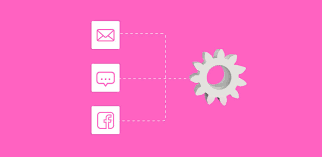
The evolution of digital marketing strategies has led businesses to explore new ways to reach out to customers. Multi-channel marketing automation has emerged as a pivotal innovation in managing interactions across email, social media, and other platforms. By employing multi-channel marketing automation tools, companies can ensure a cohesive brand experience for their audience. The advantages of these tools are vast and varied, from enhancing engagement to increasing sales conversions. Below, we delve into the significance of these systems and how they transform today’s marketing efforts.
Understanding Multi-Channel Marketing Automation and Its Significance
Multi-channel marketing automation tools like Adestra have revolutionized how businesses manage communication across various digital platforms. Instead of juggling multiple channels manually, marketers can now automate and centralize their efforts, ensuring consistent messaging that builds trust and strengthens brand perception. This streamlined approach saves time and reduces errors, making campaigns more effective and reliable.
These tools also add flexibility by allowing marketers to quickly adjust strategies based on real-time data and consumer behavior. By automating routine tasks like scheduling, contact segmentation, and engagement tracking, teams free up valuable time to focus on creative ideas and long-term planning—key factors that help campaigns succeed in today’s fast-changing digital world.
Streamlining Customer Engagement with Automation Across Platforms
Engagement is essential for a strong online presence, and automation tools enable businesses to maintain meaningful customer interactions. Automated welcome emails, for instance, initiate contact the moment a user signs up, fostering immediate engagement. On social media, automated responses handle queries promptly, boosting customer satisfaction while waiting for a human representative.
These tools also support large-scale personalization by analyzing customer data to tailor content, making messages more relevant. Automation helps optimize the timing and frequency of communication, ensuring consistent outreach without overwhelming the audience. By leveraging data-driven insights, businesses can deliver targeted, well-timed messages that enhance customer loyalty and interaction.
Boosting Conversion Rates Through Consistent Messaging
Consistent messaging is essential in marketing, and automation ensures uniform communication across all channels, supporting overall sales goals. Automated email follow-ups boost open rates and conversions by targeting recipients who haven’t engaged. Sequential messaging, based on prior interactions, helps address buyer hesitation.
During promotions, synchronized messages across platforms create urgency and drive immediate action by reinforcing brand presence. Post-purchase, personalized automation enhances customer retention through tutorials, feedback requests, and cross-selling suggestions. This strategic use of automation not only streamlines engagement but also maximizes the value of each customer interaction, improving both conversion rates and long-term loyalty.
Leveraging Analytics for Smarter Marketing Decisions

Analytics embedded in automation tools are crucial for evaluating marketing campaign performance. These tools track key metrics like engagement, click-through, and conversion rates, offering valuable insights for ongoing strategy refinement. By analyzing this data, marketers can better understand customer behavior and preferences, enabling more effective audience segmentation.
This targeted approach improves campaign relevance across different customer groups. Predictive analytics helps forecast trends and customer actions, allowing businesses to plan and adapt strategies in advance. Such capabilities make automation not only a tool for execution but also a driver of smarter, data-informed decision-making in marketing initiatives.
Achieving Scale and Efficiency in Marketing Operations
Multi-channel marketing automation offers key advantages for growing businesses, particularly in scalability and efficiency. It enables companies to handle a larger volume of customer interactions without sacrificing quality. Automation significantly reduces the need for manual campaign management, resulting in cost savings and allowing resources to be redirected to strategic areas such as product development.
By centralizing marketing channels, automation also improves team collaboration and coordination, ensuring smoother campaign execution. It empowers businesses to respond swiftly to market shifts, as routine tasks are handled automatically. This frees up marketers to focus on more creative, brand-differentiating strategies that drive long-term success.
Altogether, multi-channel marketing automation tools revolutionize how businesses approach their marketing strategies. They allow for consistency in communication, insightful analytics-driven decisions, and the ability to scale seamlessly with growing demand. These systems are invaluable to any modern marketing operation seeking to thrive in an increasingly digital landscape.
