


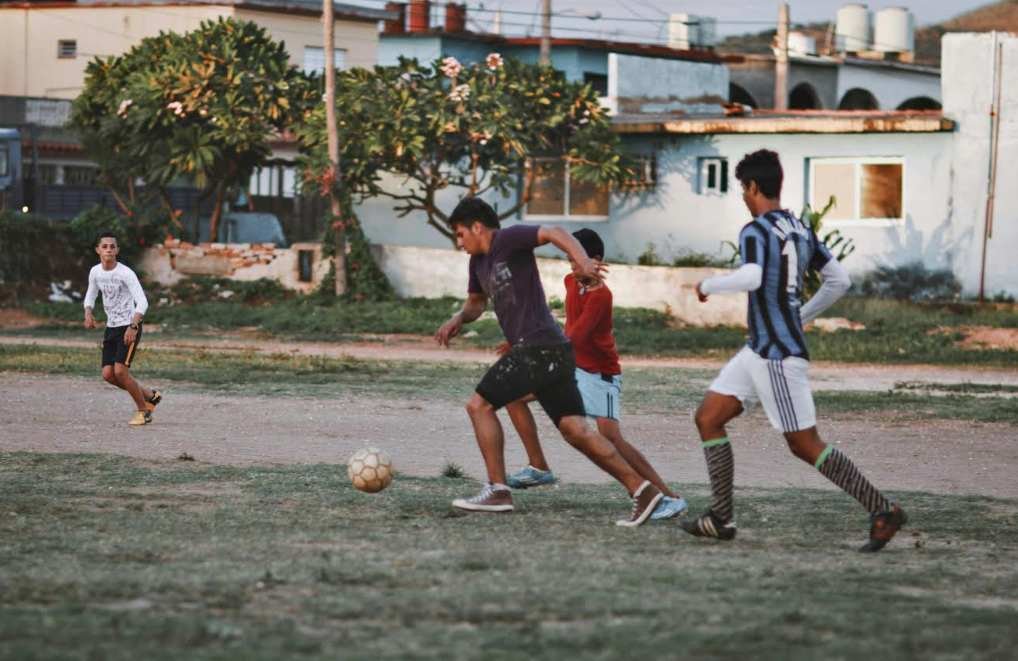
Raw sporting talent does not belong to wealthy cities alone. It appears everywhere, such as on small neighbourhood grounds, schoolyards with broken goalposts, and open patches of land where young players gather after school. In many places, athletic ability develops naturally through constant play. Speed improves during informal races. Football skills grow during long evening matches. Coordination develops simply by playing every day.
But talent by itself rarely determines who advances in sport. The real challenge is helping that talent move forward. For many young athletes in underfunded communities, the path stops early. The motivation is there. The effort is there. What is missing are the resources that allow training to progress to the next level.
Limited Access to Essential Equipment
Equipment stands out as one of the first big roadblocks. Good soccer cleats or basketball shoes, and full kits for competitive play, add up fast to hundreds more each year. In struggling areas, families put food, rent, and utilities first; sports items end up feeling out of reach.
Without decent shoes, pads, or even a reliable ball, young players face higher injury risks and often quit early. Some places run hand-me-down exchanges, but demand usually outstrips supply. That lack of proper equipment slows skill building and chips away at confidence right when it matters most.
Inadequate Training Facilities
Finding safe, usable practice space proves difficult in many poorer regions. Public parks tend to have cracked courts, overgrown fields, or zero lights for after-school hours. When cities cut budgets, schools end up handling way more than they should, so fields get overcrowded and kids wait forever for a turn.
Getting to a better spot adds its own problem. Plenty of families don’t have a reliable car, so heading to nicer facilities just isn’t an option. A 2025 Aspen Institute look at Washington, D.C., showed much lower turnout in high-poverty wards for most sports beyond football and basketball clearly linked to facility access and travel issues.
Those setup flaws create obvious disadvantages on the field. Kids miss out on the steady reps needed to lock in muscle memory and pick up game sense. Rain or heat can shut everything down for days, throwing off any consistent routine. Over months and years, that adds up to weaker skills and fewer sticking around long-term.
Shortages in Qualified Coaching
Good coaching makes a huge difference in technique and progress, but cash-strapped programs find it hard to keep qualified people. Many rely on volunteers who may not have training in basics like preventing injuries, proper nutrition, or working with different age groups. Full-time paid roles stay infrequent and limited.
Nationwide efforts like the Million Coaches Challenge reached one million trained coaches in evidence-based practices by 2025, which is progress, but shortages still hit hardest in places with fewer resources. Without proper and right direction, players pick up bad form or postures that slow them down or get them hurt. In lower-income areas, the difference stands out more because better coaches tend to go where the pay and support are stronger.
The frustration builds quickly. A kid with natural speed or strong basics might never polish their stride or stroke without feedback, and that lost chance ripples outward with fewer local role models to motivate the next wave.
The Role of Grassroots and Community Initiatives
Local organisations step in a lot to fill these holes with smart sharing and partnerships. Donations straight from people in the area, regular collections, and religious giving practices such as Zakat al-Fitr sometimes pay for equipment or keep programs going when bigger funding dries up. That kind of help keeps beginner leagues alive.
States are starting to show more serious follow-through, too. Illinois put $13.75 million over four years into this in 2025, working through Laureus Sport for Good USA to get free programs and upgrades to over 40,000 young people in 77 high-poverty ZIP codes. California focuses on things like ride help and shared equipment. These direct moves cut down barriers without trying to fix the whole system at once.
Pathways Forward: Emerging Solutions
Practical steps include fees that scale with what families can pay, local equipment libraries where kids can borrow stuff, and online tools for coaching advice to bring costs down. Linking schools with nonprofits and businesses gets more trained people involved.
Steady sports time strengthens resilience, teamwork skills, and even school performance, benefits that carry over into everyday life. Closing these gaps fairly opens doors to better health outcomes and tighter community ties.
Conclusion
Neighbourhoods with fewer resources are full of kids who could shine in sports if given half a chance. Dealing with shortages in equipment, poor facilities, and coaching through clear, proven steps opens the door fairly for everyone. The latest 2025 numbers show that focused work really fills the gaps and creates changes that last. Putting priority on this not only grows better athletes but helps build stronger, more together communities for the long run.
