


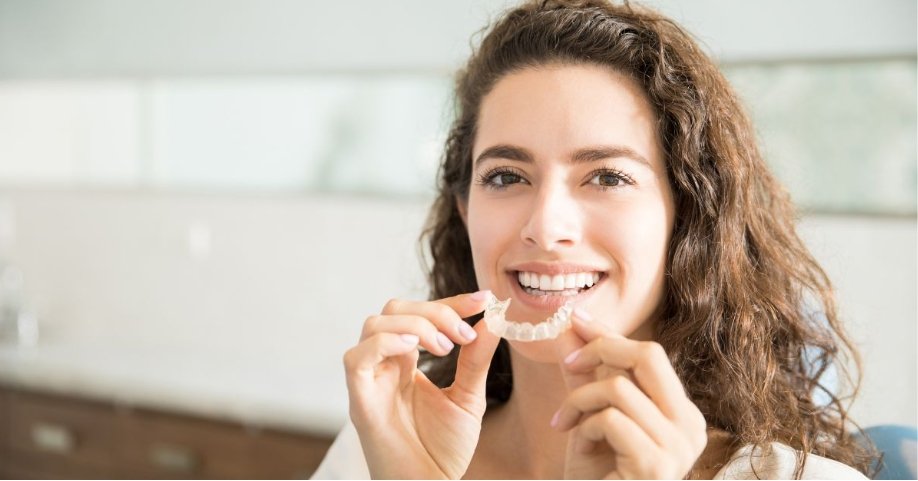
A healthy smile plays a big role in how you eat, speak, and stay confident. When teeth are crowded, spaced too far apart, or when the upper and lower jaws do not meet correctly, even simple daily tasks can feel uncomfortable. Many people look for safer and more comfortable ways to straighten their teeth without visible metal braces.
Clear aligners have become a popular choice because they offer comfort and flexibility. As more people explore advanced options, solutions like Invisalign in south Delhi stand out for providing gentle and steady tooth movement without disrupting everyday life.
How Invisalign Works
What Clear Aligners Actually Do
Invisalign uses a series of clear plastic trays that slowly move the teeth into better alignment. Each tray applies light pressure to shift the teeth bit by bit. When you move to the next set of aligners, the teeth continue following the treatment path created by your dentist, similar to the guided system used in Invisalign in south Delhi.
Digital Planning and Precision
Before the trays are made, your dentist takes digital scans. These scans create a 3D image showing how your teeth will move over time. This step helps the aligners guide your teeth in a controlled way while staying comfortable against your gums.
Commitment Leads to Good Results
You need to wear the aligners for 20–22 hours each day. Removing them only when eating, brushing, or drinking anything besides water keeps the treatment on track. The more consistent you are, the smoother the process becomes.
Fixing Crowded Teeth With Invisalign
Crowding is one of the most common alignment problems. When teeth overlap or twist because there isn’t enough room in the jaw, brushing becomes harder and plaque builds up faster.
Why Crowding Happens
Crowding can develop from:
- Smaller jaw size
- Early or late loss of baby teeth
- Genetic factors
- Irregular tooth growth
Even with daily brushing, crowded teeth leave tight spaces where bacteria collect.
How Invisalign Straightens Crowded Teeth
Clear aligners shift each tooth gradually into the right place. Your dentist may add attachments—tiny, tooth-colored bumps that help aligners grip better. These attachments improve movement when teeth need to rotate, tilt, or shift forward.
Benefits After Fixing Crowding
Once the teeth align properly, brushing and flossing become much easier. You reduce the risk of gum trouble and uneven wearing of the enamel. Over time, your smile looks brighter and feels healthier.
Fixing Gaps Between Teeth With Invisalign
Gaps appear when there is extra spacing between teeth. Some people feel self-conscious about the gaps, while others experience gum irritation because food gets stuck in the spaces.
Reasons Gaps Develop
Gaps between teeth often appear due to:
- A wider jaw
- Smaller tooth size
- Thumb sucking or tongue thrusting
- Gum recession
Though gaps may look harmless, they can cause gum sensitivity and increase plaque buildup.
How Invisalign Closes Gaps
Each aligner brings the teeth closer together. The trays work step by step, pulling the teeth inward until the gaps shrink. As the spaces close, your bite improves and the smile looks more even. Closing gaps also reduces areas where food gets trapped.
Smile Improvements After Space Correction
After the gaps close, the smile looks fuller and more balanced. Many patients enjoy an increase in confidence because the spacing no longer draws attention. Cleaner gum lines also help keep the mouth healthy.
Fixing Bite Problems With Invisalign
A bite problem affects how the upper and lower teeth meet. When the bite is off, teeth and jaw joints suffer extra strain. This can lead to discomfort, faster tooth wear, and headaches in some cases.
Types of Bite Issues Invisalign Can Help Correct
Overbite
An overbite happens when the upper front teeth cover the lower front teeth too much. This may cause wear on the lower teeth and gum irritation on the upper teeth.
Underbite
Here, the lower teeth extend past the upper teeth. Chewing becomes harder and speech may be affected.
Crossbite
A crossbite means some upper teeth sit inside the lower teeth. This can wear teeth down unevenly and cause jaw discomfort if left untreated.
Open Bite
An open bite happens when the upper and lower front teeth do not touch. This makes biting certain foods difficult.
How Invisalign Helps Fix Bite Problems
The aligners slowly guide the teeth into better positions, improving how the jaws meet. Some cases may require elastics, which connect the top and bottom aligners to help shift the bite more accurately.
Attachments That Support Bite Correction
Attachments give the aligners more control. They help with lifting, rotating, and pulling teeth into better alignment. Even though they are tiny, they make tooth movement more effective.
Daily Life With Invisalign
Eating, Speaking, and Comfort
A major advantage of clear aligners is that they can be removed before meals. This means no food restrictions and no worries about food sticking to wires. Most people adjust within a few days and speak comfortably with the trays.
Keeping Aligners Clean
Rinse your aligners with cool water and lightly brush them with a soft toothbrush. Clean aligners stay clear and free of odors. Since you remove them to brush and floss, your oral hygiene stays simple.
Why Invisalign Appeals to Many Patients
Most people choose Invisalign because it blends with the natural tooth shade and remains almost invisible. Adults and teens appreciate being able to straighten their teeth without drawing attention. Another advantage is predictability. The digital preview helps you understand how your smile will progress over time.
In busy areas where people prefer convenience and comfort, systems like Invisalign offer an appealing way to straighten teeth while managing work, school, and social activities.
How Long Invisalign Treatment Takes
Treatment Time Varies
Simple cases may take around 6–8 months, while more complex bite corrections may take 12–18 months. Your dentist will estimate your timeline after reviewing your scans.
What Can Change the Treatment Duration
- Severity of the issue
- Type of bite problem
- Patient consistency
- Age and bone response
Wearing the aligners for the recommended hours daily helps keep everything on pace.
Conclusion
Straightening teeth helps much more than appearance. It supports chewing, improves speech clarity, and keeps the mouth cleaner. Invisalign works as a smooth and flexible system that corrects crowding, gaps, and bite problems without the challenges that come with metal braces.
With steady use and guidance from a trained dentist, people can enjoy a healthier and brighter smile. If you have been thinking about improving your alignment, talking to your dentist can help you decide whether clear aligners are the right fit for your needs.
