


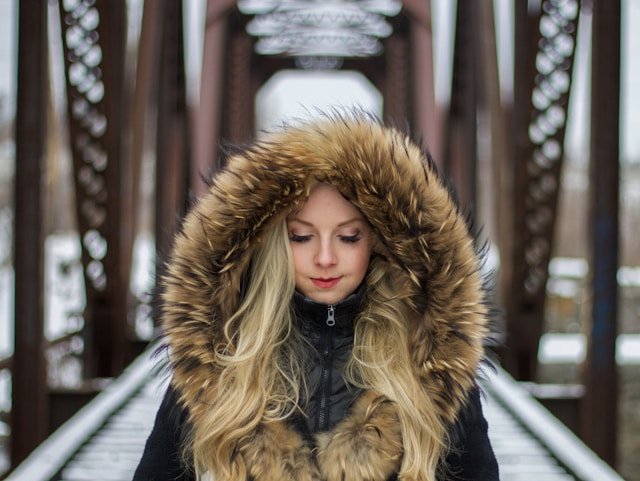
A Fur Coat has long symbolized luxury, warmth, and a refined sense of winter style. Whether crafted from traditional materials or modern faux alternatives, this iconic outerwear has remained a powerful fashion statement across cultures and generations. Its blend of visual richness and practical insulation makes it a standout piece in cold-weather wardrobes around the world.
History and “Biography” of the Fur Coat
The Fur Coat has a long history, dating back thousands of years when early humans used animal pelts for survival in harsh climates. These early garments offered the warmth and protection needed to endure freezing temperatures. Across ancient civilizations, fur evolved from necessity into a symbol of prestige. Royal families, warriors, and nobility wore fur-lined garments to signify status, wealth, and authority.
In the Middle Ages, luxurious furs like ermine and sable became associated with regal attire. By the 19th century, fur coats transitioned into structured outerwear, appearing in aristocratic fashion and high society wardrobes. The 20th century brought even greater visibility, with Hollywood films showcasing glamorous actresses draped in fur, solidifying its place in style history. Today, both real and faux fur coats contribute to winter fashion, each carrying its unique heritage and appeal.
Also Read This:- Mens Hairstyles: How to Choose the Right Cut for Your Style and Lifestyle
Age and Evolution of the Fur Coat Trend
The trend of wearing a Fur Coat spans centuries, constantly evolving with cultural shifts, technological innovations, and changing ethics. In earlier eras, fur coats were handcrafted from natural materials due to limited textile options. Over time, fashion houses refined tailoring techniques, introducing sleeker silhouettes, varied textures, and more vibrant designs.
In the 1970s and 1980s, fur coats exploded in popularity as symbols of glamour and bold style. As the decades progressed, faux fur grew in demand due to advancements in textile technology, offering plush, warm, and visually convincing alternatives. Today, designers blend sustainability, creativity, and functionality, making fur-inspired outerwear accessible to a wider audience while respecting evolving consumer values.
Physical Appearance and Key Characteristics
The visual appeal of a Fur Coat lies in its rich texture, voluminous structure, and eye-catching sheen. The surface may feel plush, sleek, fluffy, or curly depending on the type of fur or faux material used. Colors range from natural browns and creams to bold dyed shades like deep red, emerald green, or snowy white.
Silhouettes vary widely:
- Full-length coats exude elegance and drama.
- Cropped jackets offer modern versatility.
- Oversized designs create a relaxed, contemporary look.
- Tailored cuts give a refined, structured appearance.
Trim details, collars, cuffs, and closures all contribute to the unique personality of each fur coat. The overall physical appearance strikes a balance between sophistication and comfort, making it a true winter statement piece.
Materials and Types of Fur
A Fur Coat can be crafted from a range of materials—both natural and synthetic. Real fur has historically been sourced for its insulation and texture, though today many consumers prefer ethical and faux alternatives. Faux fur has become especially popular due to its softness, warmth, and cruelty-free design.
Common types include:
- Faux fur: Soft, warm, easy to maintain, and available in countless styles.
- Shearling-inspired materials: Provide dense insulation with a wool-like finish.
- Textured synthetics: Mimic luxury furs through advanced weaving and fiber techniques.
Modern innovations continue to enhance the feel and appearance of faux materials, making them nearly indistinguishable from traditional options while supporting more ethical fashion choices.
Craftsmanship and Production Techniques
Crafting a quality Fur Coat requires precision, skilled labor, and careful construction. For real fur, pelts are cleaned, softened, matched, and stitched together with expert techniques. For faux fur, synthetic fibers are woven, dyed, and sculpted to mimic natural fur textures.
Key craftsmanship steps include:
- Cutting materials into panels for smooth flow
- Hand-stitching seams for long-term durability
- Adding high-quality linings for comfort and insulation
- Designing structured shoulders, collars, and hems
- Ensuring patterns match for a seamless appearance
Luxury fur and faux-fur designers often emphasize artisanal techniques, ensuring each piece maintains visual elegance and long-lasting performance.
Styles and Variations of Fur Coats
One strength of the Fur Coat is its stunning variety. Fashion designers have created endless versions to suit different tastes, body types, and style preferences.
Popular variations include:
- Full-length coats: Ideal for formal wear and deep winter warmth.
- Cropped fur jackets: Trendy and versatile for casual outfits.
- Vintage-inspired designs: Bring classic Hollywood glamour.
- Reversible coats: Offer two looks in one, often pairing fur with leather or suede.
- Color-dyed faux fur: Adds modern flair to classic silhouettes.
Whether minimalistic or bold, each style brings a unique aesthetic to winter fashion.
Also Read This:- leather jackets Guide: How to Pick Quality, Fit, and Classic Designs
Seasonal Use and Weather Suitability
A Fur Coat is one of the warmest outerwear options available, making it ideal for cold climates. The dense fibers—natural or synthetic—trap heat effectively while remaining breathable. These coats excel in snowy, windy, or icy conditions. Shorter faux-fur jackets are suitable for fall and early spring, providing warmth without overheating.
Because of their thermal insulation, furs are especially popular in northern regions and during the coldest months of the year. Proper layering enhances comfort further, making the fur coat a winter essential for many wardrobes.
Outfit Pairings and Fashion Relations
The way a Fur Coat “relates” to other fashion items is part of its charm. Its bold texture pairs beautifully with minimalist outfits, allowing the coat to be the star of the ensemble.
Popular outfit pairings include:
- Skinny jeans with boots for a chic winter look
- Sweater dresses or turtlenecks for polished elegance
- Leather pants for edgy glamour
- Neutral basics to let the coat’s texture shine
- Formal gowns or suits for luxurious sophistication
Accessories like scarves, gloves, and structured handbags enhance the coat’s appeal while adding functional warmth.
Cultural Impact and Celebrity Influence
Throughout history, the Fur Coat has played a powerful role in culture and media. Classic films often featured iconic fur looks, creating lasting fashion impressions. Celebrities, musicians, and runway models have consistently incorporated fur coats—both real and faux—into bold winter styling.
In modern times, faux fur has taken center stage on runways and red carpets, showcasing ethical glamour. As sustainable fashion grows, more designers highlight faux fur creativity, reinforcing the coat’s influence in contemporary culture.
Maintenance, Storage, and Longevity
To prolong the life of a Fur Coat, proper maintenance is essential. Faux fur generally requires simpler care, while real fur demands specialized cleaning and temperature-controlled storage.
Key care practices include:
- Keeping the coat dry and away from heat sources
- Using broad-shouldered hangers to maintain shape
- Storing in breathable garment bags
- Gently brushing fibers to prevent matting
- Allowing air circulation to preserve texture
A well-maintained coat—whether real or faux—can last for many years, making it a valuable wardrobe investment.
Pricing, Value, and What Affects Cost
The price of a Fur Coat varies widely based on material quality, craftsmanship, brand reputation, and coat length. Real fur tends to be more expensive due to labor-intensive production and premium sourcing. Faux fur offers a more accessible price range while delivering excellent style and warmth.
Factors affecting cost include:
- Texture and density
- Brand craftsmanship
- Lining materials
- Design complexity
- Coat length and weight
Choosing the right coat means balancing warmth, aesthetics, ethical preferences, and budget.
Conclusion
The Fur Coat remains a timeless symbol of winter elegance, blending luxurious style with exceptional warmth. Its rich history, diverse variations, and cultural impact ensure its continued relevance in modern fashion. Whether opting for real or faux materials, a fur coat offers both beauty and practicality, elevating any winter wardrobe with unmatched sophistication.
FAQs
Are faux fur coats as warm as real fur?
Yes, high-quality faux fur offers excellent insulation and is designed for winter comfort.
What outfits pair well with a fur coat?
Minimalist clothing, dresses, jeans, leather pants, and winter boots all complement fur coats beautifully.
How should a fur coat be stored?
Store it in a cool, dry place on a wide hanger, ideally inside a breathable garment bag.
Are modern faux fur coats durable?
Yes, many use advanced synthetic fibers that resist wear and maintain softness.
What makes fur coats timeless?
Their luxurious texture, elegant appearance, and enduring winter functionality contribute to their timeless appeal.
For More Latest Update doodlesmagazine
