



Few names in modern college football evoke as much respect as Bob Stoops. Known for his strategic mind, calm leadership, and relentless drive for excellence, Stoops turned every team he touched into a contender. His journey from a hardworking player in Ohio to a legendary head coach at Oklahoma is the story of passion, persistence, and the true spirit of American football.
Quick Bio
| Field | Information |
|---|---|
| Full Name | Robert Anthony Stoops |
| Date of Birth | September 9, 1960 |
| Birthplace | Youngstown, Ohio, USA |
| Nationality | American |
| Profession | American Football Coach |
| Alma Mater | University of Iowa |
| Playing Position | Defensive Back |
| Coaching Debut | 1983, University of Iowa (Graduate Assistant) |
| Most Notable Role | Head Coach, University of Oklahoma (1999–2016) |
| Major Achievements | 2000 BCS National Championship, 10 Big 12 Titles |
| Nickname | “Big Game Bob” |
Early Life and Background
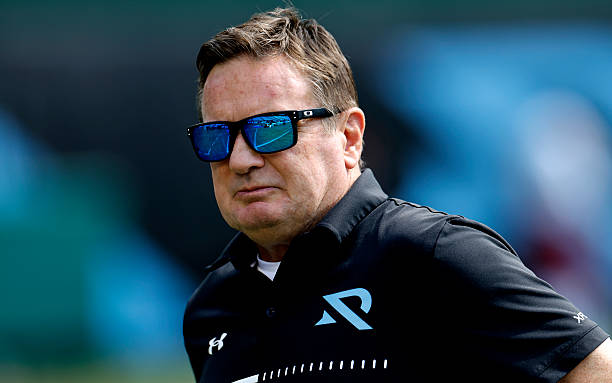
Born in the industrial heart of Youngstown, Ohio, Bob Stoops was raised in a family where football wasn’t just a game—it was a way of life. His father, Ron Stoops Sr., was a respected high-school coach who instilled in Bob the value of discipline, teamwork, and hard work. Growing up alongside his brothers—Mike, Mark, and Ron Jr., who also became coaches—Stoops developed a deep understanding of the game early on. Those backyard scrimmages weren’t just playtime; they were training grounds for a future dynasty of coaches.
College Playing Career

At the University of Iowa, Stoops played as a defensive back under the legendary coach Hayden Fry. His toughness and intelligence on the field earned him recognition as a leader and a student of the game. Playing defense taught him the art of reading opponents—a skill that later defined his coaching philosophy. He graduated not only with a degree but with a deep strategic understanding that shaped his future as one of the most successful coaches in college football history.
Early Coaching Career
After hanging up his cleats, Bob Stoops immediately turned to coaching. He began as a graduate assistant at Iowa in 1983, eager to learn the intricacies of coaching from the ground up. His early years were spent studying film, breaking down defensive formations, and understanding how to motivate players to perform beyond their limits. This period refined his analytical mindset and shaped his methodical approach to leadership.
Rise to Prominence
Stoops’ big break came at Kansas State University, where he joined Bill Snyder’s staff in the early 1990s. The Wildcats were once considered one of the weakest programs in the country, but Stoops’ defensive mastery helped spark a stunning turnaround. His defenses became known for aggression, precision, and adaptability—traits that made him a standout in the coaching community. Soon after, his move to the University of Florida under Steve Spurrier elevated his status further. Helping the Gators win the 1996 National Championship cemented Stoops’ reputation as one of the most innovative defensive coordinators in college football.
Becoming Head Coach at Oklahoma

In 1999, Bob Stoops accepted the head coaching job at the University of Oklahoma, one of the most storied programs in the sport. The Sooners had seen better days, but Stoops brought an instant culture shift. His combination of confidence, discipline, and belief reignited a proud football tradition. In just his second season, he led the Sooners to a perfect 13–0 record and the BCS National Championship, defeating Florida State. The victory restored Oklahoma’s dominance and earned Stoops the nickname “Big Game Bob.”
Championship Glory and Coaching Style
Stoops’ success wasn’t just about talent—it was about philosophy. He believed in “mental toughness”, preparing his teams not just physically but psychologically. His practices emphasized fundamentals, while his game plans balanced aggression with adaptability. Players respected him for his honesty and steadiness under pressure. He treated every game—whether a rivalry matchup or a national championship—with the same measured intensity, a hallmark of true coaching mastery.
Leadership and Philosophy
At the core of Bob Stoops’ leadership was trust. He built programs around accountability and empowerment. Stoops believed that every player, from starter to backup, contributed to the team’s identity. His philosophy was simple: success is earned through preparation and belief. He encouraged players to stay grounded, focusing on improvement rather than hype. That mindset not only produced championships but also shaped countless young men into leaders on and off the field.
Major Achievements
During his 18-year tenure at Oklahoma, Bob Stoops compiled an impressive 190–48 record, making him the winningest coach in school history. Under his guidance, the Sooners won 10 Big 12 Championships and appeared in four National Championship games. He coached a long list of future NFL stars, including Sam Bradford, Adrian Peterson, and Kyler Murray. His ability to sustain excellence across nearly two decades was rare in an era defined by rapid change and fierce competition.
Influence on Modern College Football
Stoops’ impact extends far beyond his personal record. His blend of defensive discipline and offensive innovation influenced a generation of coaches. Many of his assistants—like Lincoln Riley—went on to become head coaches themselves, carrying Stoops’ methods into new programs. His balance between tradition and modernity helped shape what we now recognize as the contemporary college football model.
Return to Coaching and the XFL
After retiring from Oklahoma in 2017, Bob Stoops didn’t stay away from football for long. In 2020, he joined the Dallas Renegades of the XFL, bringing his expertise to a new level of professional football.
Family and Personal Life
Beyond the sidelines, Bob Stoops is a devoted husband and father, have followed in his football footsteps, with Drake playing for Oklahoma. Despite his fame, Stoops remains humble and family-oriented—a reflection of the values instilled by his upbringing in Youngstown.
Legacy and Lasting Impact
The legacy of Bob Stoops isn’t just measured in wins and trophies—it’s seen in the generations of players and coaches he’s inspired. He proved that integrity, consistency, and hard work can create sustained excellence in one of the most competitive arenas in sports. Even today, his influence echoes across college football, serving as a benchmark for how to build champions both on and off the field.
Life After Coaching
Today, Stoops enjoys a balanced life that includes broadcasting, mentoring, and supporting the Oklahoma football community. He remains connected to the sport that defined him but appreciates the chance to step back and enjoy new experiences. His post-coaching chapter reflects his philosophy: success is about growth, not just glory.
Conclusion
Bob Stoops is more than a legendary coach—he is a symbol of what dedication, vision, and integrity can achieve. From his humble beginnings in Ohio to his triumphs in Norman, his story embodies the spirit of American football. Through innovation and heart, Stoops built not just teams but a lasting tradition of excellence that continues to inspire athletes across the nation.
FAQs
Who is Bob Stoops?
He is a former American football coach best known for his long tenure at the University of Oklahoma, where he won a national championship and 10 Big 12 titles.
What is Bob Stoops’ coaching record?
Stoops finished his career at Oklahoma with a 190–48 record, making him the winningest coach in school history.
Did Bob Stoops ever coach in the NFL or XFL?
He coached in the XFL with the Dallas Renegades but has not served as a full-time NFL coach.
Why is he called “Big Game Bob”?
The nickname came from his reputation for winning high-pressure games, particularly championships and rivalry matchups.
Is Bob Stoops still involved in football?
Yes, he occasionally appears as a commentator and mentor while supporting Oklahoma football.
For More Latest Update doodlesmagazine
