


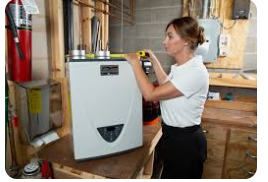
Choosing to upgrade your home’s water heating system is a significant decision that impacts energy consumption, indoor comfort, and even your utility bills. As daily routines often depend on reliable hot water, having an efficient system is crucial for activities such as showers, dishwashing, laundry, and more. One of the most compelling upgrades available today is the switch from a traditional tank water heater to a tankless model, which is gaining popularity rapidly across the country. If you’re located in Utah County, professional tankless water heater installation in Provo can bring you all of these benefits and more, enhancing both the efficiency and comfort of your household.
The advantages of tankless water heaters extend far beyond just saving space. Homeowners enjoy a continuous and on-demand supply of hot water, meaning there’s no more rushing through back-to-back showers for fear of running cold. Improved energy savings also help to minimize monthly costs, and a decreased risk of water damage from leaks or ruptures provides added peace of mind. These features make tankless water heating systems an attractive and practical option, especially for those seeking to modernize and simplify their home infrastructure.
Continuous Hot Water Supply
A tankless water heater’s main advantage is its ability to deliver an almost endless supply of hot water. Unlike older storage tank models, which can efficiently run out of pre-heated water during times of high demand, tankless systems work by rapidly heating water as it’s needed. This results in no waiting for a tank to refill or reheat, making them ideal for families who use a lot of hot water in quick succession, such as during busy mornings. You can enjoy a relaxing shower, run your dishwasher, and have plenty of hot water left for laundry without any interruptions. This reliability means your hot water supply is significantly less likely to be a source of stress or inconvenience, even when multiple appliances are drawing water simultaneously. As a result, tankless heaters are particularly appealing for larger households or homes with consistently high hot water consumption.
Energy Efficiency and Cost Savings
Heating and maintaining a large tank of water 24/7 leads to “standby heat loss” and wasted energy. Tankless water heaters only activate when hot water is needed, using significantly less power and minimizing unnecessary heating. According to the U.S. Department of Energy, households using 41 gallons of hot water or less daily can save up to 34% on energy costs compared to traditional tank models. Even in homes that use more water, the efficiency advantage remains substantial, translating into noticeable savings on monthly utility bills. Over the system’s lifespan, these savings can accumulate quickly, helping to offset the higher initial installation cost. In addition, reducing your household’s energy consumption not only saves you money but also reduces your environmental impact.
Space-Saving, Flexible Installation
For homes with limited square footage, the compact design of a tankless water heater is a significant selling point. These sleek, wall-mounted units eliminate the need for large, cylindrical tanks that often occupy valuable floor space in utility closets, basements, or garages. Whether placed in a closet, a utility room, or even outside your home, their versatile design allows you to reclaim storage areas for tools, cleaning supplies, or other essentials. This flexibility means homeowners can better utilize their available space, make rooms less cluttered, and even open up new possibilities for renovations or storage solutions that were previously impossible with bulky tanks. Additionally, their ability to be installed closer to demand points (like bathrooms or kitchens) can sometimes improve hot water delivery speed, minimizing the lag between turning on the tap and enjoying hot water.
Extended Lifespan and Fewer Repairs
With proper care and maintenance, tankless water heaters can last more than 20 years, compared to the typical 10 to 15 years for standard models. The reason for this increased longevity is that tankless units are less susceptible to corrosion and rust, which often plague tank heaters over time. Without a constantly full tank of water, there’s a lower risk of sediment buildup and less ongoing wear and tear. Not only does this result in fewer replacements over the life of your home, but it also means better long-term value and fewer emergency repair calls. Routine maintenance—such as flushing the unit to remove mineral buildup—can minimize breakdowns and keep your system running efficiently for years to come. Some homeowners even find tankless systems more reliable, thanks to advances in design and ease of troubleshooting.
Lowered Risk of Water Damage
Because tankless units don’t store large volumes of water, there’s a substantially lower risk of catastrophic leaks or ruptures that could cause water damage to your home. Traditional tank heaters are notorious for failing and flooding basements or utility rooms, making this advancement a welcome relief for homeowners focused on property safety and peace of mind. In tank models, even a small crack or failure can result in dozens of gallons spilling out rapidly, leading to costly repairs, damage to stored belongings, mold growth, and prolonged inconvenience. With a tankless system, the threat of this kind of disaster is largely eliminated, making it a preferred choice for those with finished basements, expensive flooring, or other concerns about water exposure.
Environmental Benefits
Tankless water heaters not only save energy but also help reduce your household’s carbon footprint. Using less gas or electricity to heat water means fewer greenhouse gas emissions compared to traditional models, making them a more eco-friendly alternative for environmentally conscious homeowners. Many tankless units are also compatible with renewable energy sources, allowing further integration into solar or other green energy systems. Their long lifespan and fewer required replacements also result in less waste being sent to landfills, helping to conserve resources over time. This makes switching to a tankless system one of the most straightforward steps you can take to make your home more sustainable and reduce your environmental impact. Consumers interested in green home upgrades will find tankless water heaters align perfectly with sustainability goals, especially when paired with other energy-efficient appliances and upgrades.
Potential Rebates and Incentives
Switching to a tankless model may qualify you for federal or local incentives, such as energy efficiency tax credits, manufacturer rebates, or utility company offers. These programs can significantly offset your initial installation costs, boosting your return on investment and making the switch more affordable than many homeowners realize. As local governments and utilities increasingly prioritize sustainability, rebate opportunities for efficient home systems continue to expand. Always consult a qualified professional and check with your local energy provider to discover opportunities that might be available when upgrading to a tankless system. Incentive programs also tend to evolve, so it’s wise to ask your installer about the most current options at the time of purchase.
Conclusion
Tankless water heaters can transform your home’s hot water system, delivering continuous hot water, reducing your energy consumption, saving space, and lowering the risks of water damage. With added environmental benefits and the possibility of utility rebates or incentives, now is an excellent time to make the switch for long-term comfort and savings. Whether you’re building a new home or upgrading your existing system, a professionally installed tankless water heater offers a smart investment in your comfort, budget, and peace of mind for years to come.
