


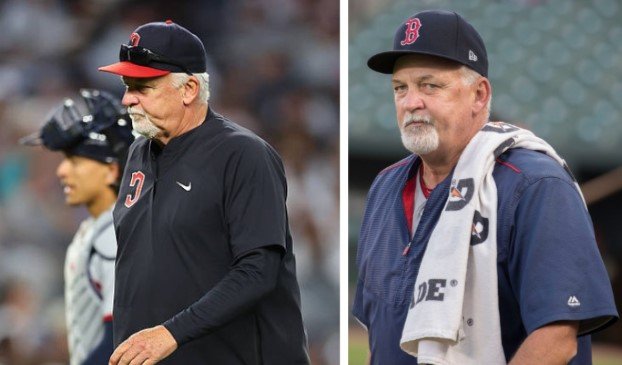
Although he enjoyed a respectable MLB career himself, his impact on the sport became much more significant once he transitioned from the mound to the coaching bench. In this article, we explore how Carl Willis mastered the art of pitching and how his legacy continues to transform players across generations.
Quick Bio
| Category | Details |
|---|---|
| Full Name | Carl Blake Willis |
| Born | December 28, 1960 |
| Birthplace | Danville, Virginia, USA |
| Profession | Former MLB Pitcher, MLB Pitching Coach |
| MLB Debut | April 12, 1984 |
| Primary Teams (Player) | Tigers, Reds, White Sox, Twins |
| Championships | 1991 World Series Champion (Twins) |
| Coaching Career Start | 2003 |
| Teams Coached | Guardians, Mariners, Red Sox, Twins |
| Known For | Developing elite pitchers & mechanics analysis |
Early Life and Background
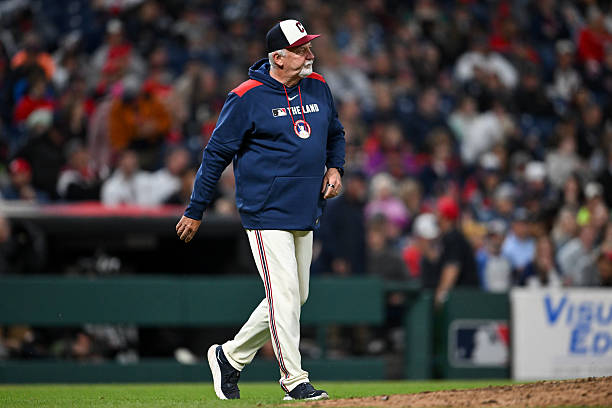
Carl Willis grew up in Virginia, where baseball quickly became more than a childhood pastime. His early passion for pitching was supported by a natural ability to read hitters and an unusual calmness under pressure. These qualities would eventually define his growth into a respected professional, both as a player and as one of the most valued pitching coaches in Major League Baseball.
College Career and Development
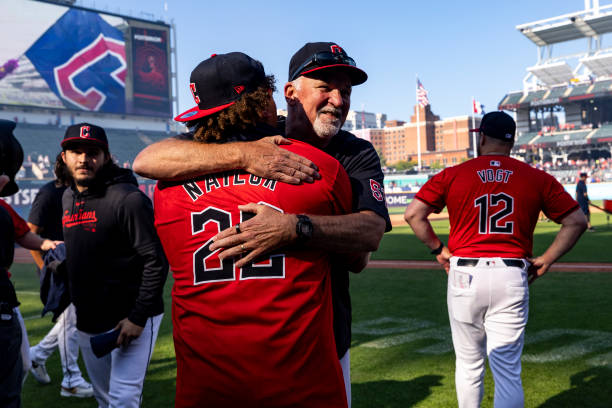
Willis attended the University of North Carolina at Wilmington, where his talent on the mound began gaining recognition. During college, he developed a more structured approach to pitching mechanics, conditioning, and game strategy. His performance there gave him the foundation he needed to make his way into professional baseball and refine his signature pitching tools.
Road to Professional Baseball
After college, Willis took the tough road through the minor leagues. He consistently improved his pitching accuracy and strengthened his mental game. His ability to adapt—something he would later teach countless pitchers—helped him stay competitive while waiting for his chance to join the major league roster.
Major League Debut

Carl Willis made his MLB debut with the Detroit Tigers in 1984. Known for his steady presence and strategic pitch selection, Willis earned respect as a dependable bullpen arm across several teams.
Pitching Style and Strengths
As a pitcher, Willis relied less on overpowering velocity and more on precision and intelligence. His strengths included a reliable fastball, a sinking changeup, and the mental discipline to analyze hitters’ weaknesses. These qualities later shaped his coaching philosophy, proving that successful pitching requires both physical skill and intellectual preparation.
Career Highlights and Achievements
One of the greatest moments of Carl Willis’s playing career came in 1991 when he contributed to the Minnesota Twins’ World Series championship run. This achievement reinforced his understanding of team chemistry, game planning, and pressure control—skills that would eventually help him train Cy Young winners and dominant MLB starters.
Transition to Coaching
After retiring as a player, Willis took a natural step into coaching. His firsthand experience on the mound made him a relatable and highly trusted instructor. Willis developed a reputation for breaking down complex mechanics and helping pitchers unlock their potential with clear, actionable advice.
Philosophy of Pitching
Willis’s coaching philosophy revolves around three pillars: discipline, mechanical efficiency, and game intelligence. He believes pitchers must understand not only how to throw but why each pitch matters. His analytical approach helped elevate countless players from average to elite.
Peak Coaching Career
Across his coaching career, Willis worked with the Boston Red Sox, Seattle Mariners, Minnesota Twins, and Cleveland Guardians. He became known for transforming rotations and building strong bullpen units. His ability to mentor both young prospects and seasoned veterans solidified his role as one of MLB’s most reliable pitching minds.
Working With Star Pitchers
Carl Willis has coached several high-profile pitchers, including Cy Young winners like CC Sabathia, Cliff Lee, and Rick Porcello. These pitchers credit him for refining their mechanics, improving pitch selection, and strengthening their in-game awareness. Willis’s mentorship often turned strong pitchers into true aces.
Influence on Modern Baseball Training
Willis has helped revolutionize pitcher development by combining traditional coaching with modern analytics. His teaching emphasizes biomechanics, recovery routines, and mental performance. Many teams model their pitching development programs around techniques he helped popularize.
Coaching Legacy and Recognition
With decades of success behind him, Willis is respected as one of baseball’s most impactful pitching coaches. His legacy is tied not only to individual player accomplishments but also to the long-lasting pitching cultures he helped build within multiple organizations.
Personal Life and Off-Field Contributions
Away from the field, Carl Willis is known for his grounded personality and dedication to family. He is often involved in community outreach, youth baseball programs, and mentorship efforts designed to encourage the next generation of athletes.
Conclusion
Carl Willis’s journey from MLB pitcher to legendary pitching coach showcases the true art of development, discipline, and leadership. His influence continues to shape the careers of many pitchers, proving that expertise, communication, and passion can leave a lasting mark on the sport. The legacy of Carl Willis will remain a defining part of baseball history for years to come.
FAQs
Who is Carl Willis?
He is a former MLB pitcher and one of the league’s most respected pitching coaches.
What teams did Carl Willis coach?
He coached with the Red Sox, Mariners, Twins, and Guardians.
What is Carl Willis best known for?
For developing elite pitchers and refining modern pitching strategies.
Did Carl Willis win a World Series?
Yes, he won in 1991 as a member of the Minnesota Twins.
For More Latest Update doodlesmagazine
