


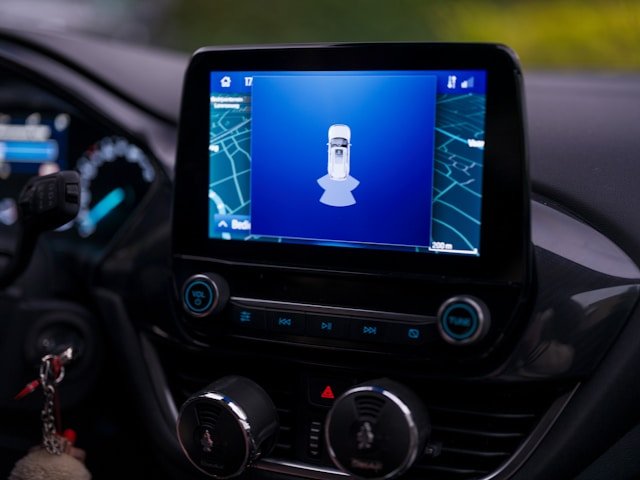
Aftermarket Backup Camera systems have become an essential upgrade for modern drivers who value safety, convenience, and confidence on the road. Designed to eliminate blind spots and improve rear visibility, these camera systems offer a practical solution for vehicles that lack factory-installed rear-view technology.
Birth of the Aftermarket Backup Camera
The development of the Aftermarket Backup Camera was driven by increasing concerns about vehicle blind spots and reversing accidents. As vehicles grew larger and urban driving environment became more crowded, drivers needed better visibility behind their cars. While factory-installed cameras were limited to newer models, aftermarket solutions emerged to provide accessible safety technology for older vehicles. This innovation allowed drivers to upgrade their cars without replacing them.
Age and Technological Evolution
The Aftermarket Backup Camera gained popularity in the early 2000s and rapidly evolved with advancements in digital imaging. Early systems offered basic visuals, but modern versions now feature high-definition resolution, wide viewing angles, and improved night performance. Over time, wireless connectivity and smart integration have further enhanced ease of use, making these systems more reliable and user-friendly.
Also Read This:- Elevator Mechanic: Skills, Training & Career Path in Vertical Transportation
Purpose and Core Safety Philosophy
At its core, the Aftermarket Backup Camera exists to prevent accidents and protect lives. By offering a clear view of obstacles, pedestrians, and vehicles behind the car, it significantly reduces the risk of collisions while reversing. This safety-first philosophy makes backup cameras especially valuable for families with children, elderly drivers, and those who frequently navigate tight parking spaces.
Physical Appearance and Design Identity
Modern Aftermarket Backup Camera units are designed to be compact, discreet, and aerodynamic. Most cameras are small enough to blend seamlessly into the vehicle’s exterior, often mounted near the license plate or rear bumper. Their minimalistic design ensures functionality without affecting the car’s appearance, appealing to drivers who value both aesthetics and performance.
Display Types and Viewing Options
Display options play a crucial role in the usability of an Aftermarket Backup Camera. Some systems feature dashboard-mounted screens, while others integrate into rearview mirrors for a natural viewing angle. Advanced models can connect to existing infotainment systems, providing a clean and factory-like experience. This flexibility allows drivers to choose setups that best suit their preferences.
Image Quality and Camera Technology
Image quality defines the effectiveness of an Aftermarket Backup Camera. High-resolution cameras provide sharp visuals, while wide-angle lenses capture a broader view of the rear area. Many systems also include night vision and weather-resistant housing, ensuring consistent performance in low light, rain, or dust. These technological enhancements make modern cameras dependable in diverse driving conditions.
Relationship with Vehicles and Compatibility
One of the biggest strengths of the Aftermarket Backup Camera is its adaptability. These systems are designed to work with cars, trucks, SUVs, vans, and RVs, regardless of model year. Universal mounting kits and adjustable wiring options make installation possible across a wide range of vehicles, ensuring accessibility for almost every driver.
Relationship with Drivers and Families
The Aftermarket Backup Camera has a strong relationship with families and everyday drivers. Parents appreciate the added safety when reversing near children, while seniors value the extra visibility that reduces strain and uncertainty. Fleet operators and commercial drivers also rely on these systems to minimize accidents and improve operational safety.
Emotional Confidence and Driving Comfort
Beyond technical benefits, an Aftermarket Backup Camera delivers emotional reassurance. Knowing what’s behind the vehicle reduces anxiety, especially in busy parking lots or narrow driveways. This increased confidence leads to smoother driving experiences and helps drivers feel more in control, reinforcing trust in their vehicle.
Market Presence and Consumer Demand
The demand for Aftermarket Backup Camera systems has grown steadily as safety awareness increases. With affordability improving and installation becoming easier, more drivers are choosing to upgrade their vehicles. The market continues to expand as consumers prioritize preventive safety features over reactive solutions.
Also Read This:- Tip Screen: Innovative Displays Transforming Digital Gratuity Systems
Comparison with Factory-Installed Backup Cameras
When compared to factory-installed systems, Aftermarket Backup Camera solutions offer greater flexibility and cost efficiency. While factory cameras are often limited to specific models, aftermarket options allow customization and upgrades. Drivers can choose better image quality, larger screens, or wireless setups without being tied to manufacturer limitations.
Future Trends and Smart Camera Innovation
The future of the Aftermarket Backup Camera is shaped by innovation. Emerging technologies include AI-based object detection, wireless connectivity, and smart integration with mobile devices. As vehicles become smarter, aftermarket cameras will continue to evolve, offering advanced safety features that rival or exceed factory-installed options.
Frequently Asked Questions
What is an aftermarket backup camera?
An aftermarket backup camera is a rear-view camera system added to a vehicle after purchase to improve reversing safety.
Are aftermarket backup cameras easy to install?
Many systems are designed for simple installation, with both wired and wireless options available.
Do aftermarket backup cameras work at night?
Yes, most modern systems include night vision for low-light conditions.
Can an aftermarket backup camera fit any vehicle?
They are compatible with most cars, trucks, SUVs, and RVs.
Are aftermarket backup cameras worth it?
Yes, they significantly improve safety, visibility, and driving confidence.
For More Latest Update doodlesmagazine
