



The Evolution of Search Engines
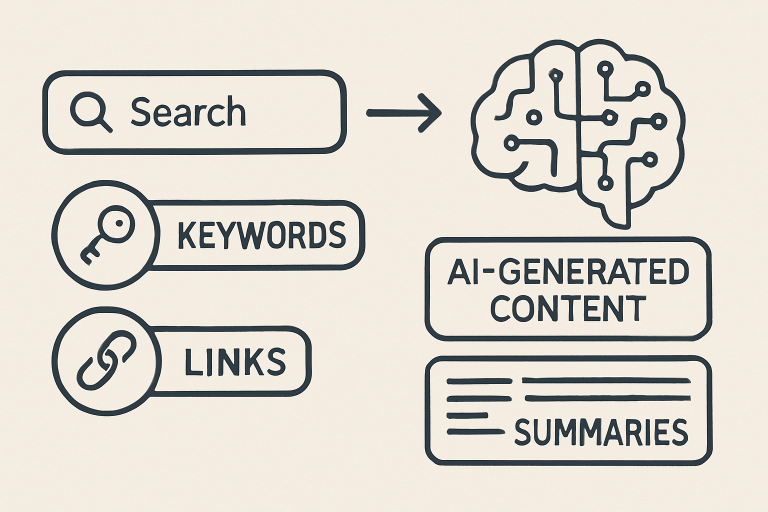
Search engines are no longer the simple, keyword-driven platforms they once were. Over the past decade, their underlying technology has undergone significant evolution as artificial intelligence continues to drive innovation in search. This technological shift has fundamentally changed the way businesses and creators approach online visibility. In particular, Victorious SEO has taken note of how traditional strategies, which once prioritized keyword density and backlinks, are now only part of the equation. The emergence of Generative Engine Optimization (GEO), driven by AI-enhanced search mechanisms, has revolutionized content creation strategies. Unlike traditional SEO, which focuses on keyword matching and backlinks, GEO relies on AI-powered engines to produce synthesized content that directly addresses user queries. Marketers must prioritize clear, trustworthy information suitable for AI extraction, prompting a strategic shift that combines technical innovation with creative content. Companies that adapt early to this evolution will secure a competitive edge in the evolving digital landscape.
Understanding Generative Engine Optimization (GEO)
Generative Engine Optimization (GEO) is not merely an evolution of SEO but a new paradigm altogether. GEO targets the algorithms behind today’s most advanced AI search engines. The primary goal is to craft digital content that ranks highly within AI-generated summaries, not just standard search result listings.
Key Elements of GEO
- Authoritative and Trustworthy Content: Expertise and credibility are now more crucial than ever. Content should reference reputable sources, include clearly identified authors, and provide data or examples to support claims.
- Scannable, Structured Information: AI algorithms excel at dissecting organized content. Use concise headings, bullet points, and summaries to ensure clarity and facilitate the extraction of information.
- Strong Earned Media Presence: AI search engines consider off-site reputation. Appearing in respected publications or authoritative databases can signal trustworthiness and increase the chances of being featured.
GEO requires consistent monitoring and adaptation. AI engines frequently update their algorithms, so staying informed about best practices is essential. Additional resources, such as Search Engine Journal’s insights on leveraging generative AI tools for SEO, provide valuable insights on the intersection of AI and search optimization, helping brands stay ahead of the curve.
Impact of AI on Search Behavior
The surge in AI-powered search experiences has already led to dramatic changes in user behavior. According to recent studies, approximately 13% of U.S. desktop searches now display AI-generated summaries at the top of results pages—a figure that continues to increase. These summaries often present users with direct, succinct answers, reducing the need for further clicks or exploration. This “zero-click” search phenomenon has forced brands to reconsider traditional online engagement metrics. Rather than focusing solely on rankings and click-through rates, it’s now crucial to ensure that critical brand information is visible and accurate within AI-generated snippets. Organizations must prioritize producing concise, user-focused content that accurately responds to user intent.
Additionally, user trust is increasingly influenced by the authority and transparency of content that appears in AI-driven responses. A single appearance in an AI-generated summary can drive significant awareness—making credibility and fact-checking integral parts of any digital marketing strategy.
Strategies for Enhancing Online Visibility
Optimize for Conversational Queries: As voice and AI-driven search continue to rise, incorporating natural language and question-based phrases ensures your content aligns closely with how people pose questions to search engines.
Leverage Structured Data: Utilize schema markup and structured data to assist search engines in interpreting your content. Enhanced structure improves visibility across both traditional and AI-generated search results.
Prioritize High-Quality, Authoritative Content: Invest in original research, expert contributions, and detailed answers to build long-term trust and increase the likelihood of being referenced in AI-generated results.
In addition, brands should diversify content formats—incorporating videos, infographics, and interactive elements—to accommodate a broader range of search behaviors and learning preferences.
The Role of AI in Content Creation
Artificial intelligence is now indispensable to digital content creation. Modern AI tools offer advanced capabilities for ideation, editing, optimization, and even performance analysis. Marketers can harness AI to identify trending topics, uncover keyword opportunities, and refine writing to maximize relevance and engagement. Still, while AI accelerates and enhances the content process, human creativity and judgment remain crucial. The best performing content leverages AI-generated insights without sacrificing authenticity, brand voice, or originality. Continuous collaboration between technology and creative professionals ultimately yields the most impactful digital assets. By analyzing audience behavior, AI can also help tailor content to specific segments, improving engagement and conversion rates. Automation of routine tasks frees creators to focus on strategy, storytelling, and higher-level thinking. As AI continues to evolve, integrating it thoughtfully ensures content remains both innovative and resonant.
Monitoring and Adapting to Changes
Staying competitive in this landscape demands ongoing vigilance. Frequent algorithm updates, evolving user preferences, and new search capabilities can all impact online visibility. Brands should routinely audit their content, monitoring performance metrics and adapting to shifting trends. Joining industry forums, attending webinars, and subscribing to reputable publications enable marketers to stay abreast of developments. Real-time adaptation and willingness to experiment ensure long-term success as SEO practices continue to transform. Leveraging data analytics tools can uncover insights that guide strategic adjustments. Collaborating with cross-functional teams ensures that changes in SEO strategies align with broader marketing objectives. Ultimately, a proactive and flexible approach allows brands to anticipate trends rather than merely react to them.
Conclusion
Search engines will continue to grow more sophisticated, demanding a responsive and research-driven approach to digital marketing, embracing Generative Engine Optimization positions organizations for sustained visibility and engagement. By prioritizing trustworthy, concise, and authoritative content and by leveraging both AI and human expertise, brands can navigate the future of search and connect more effectively with their audiences.
